
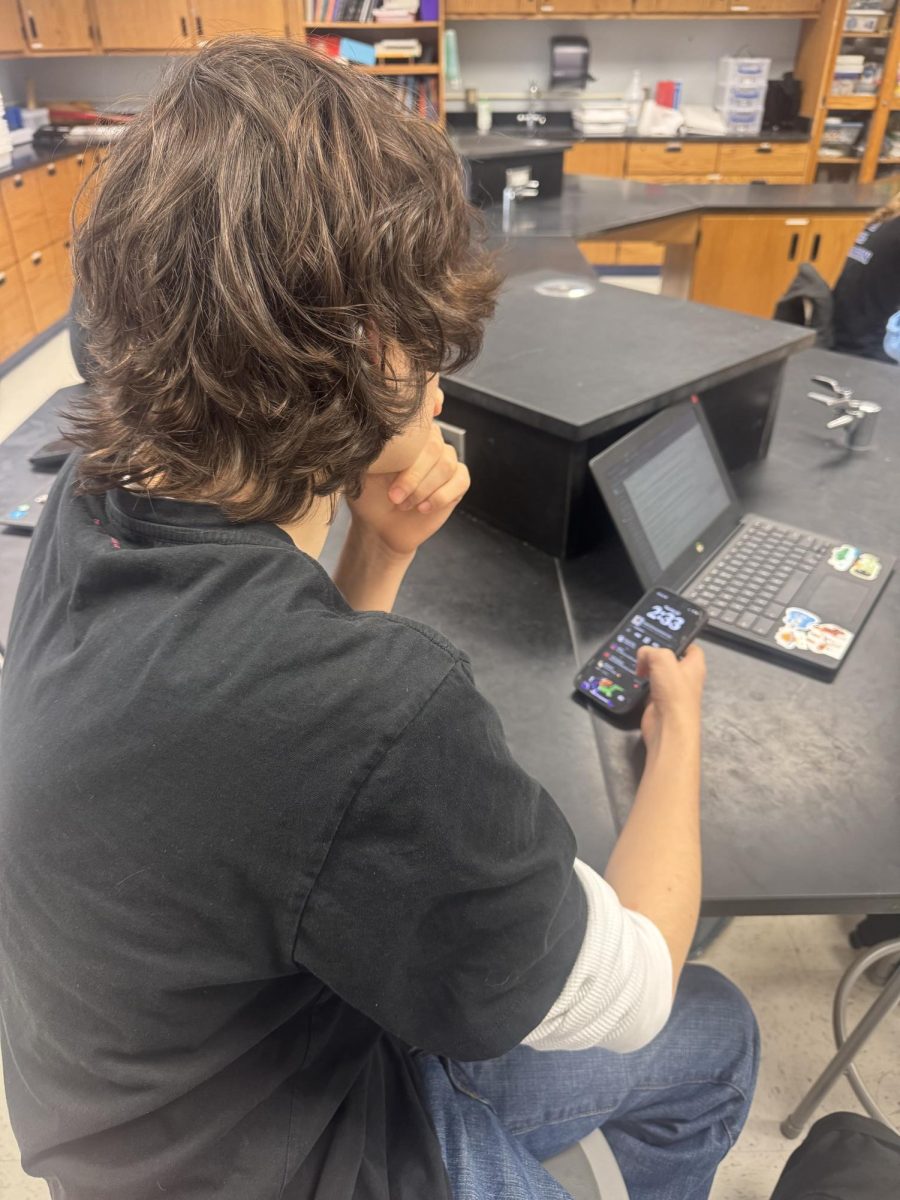

























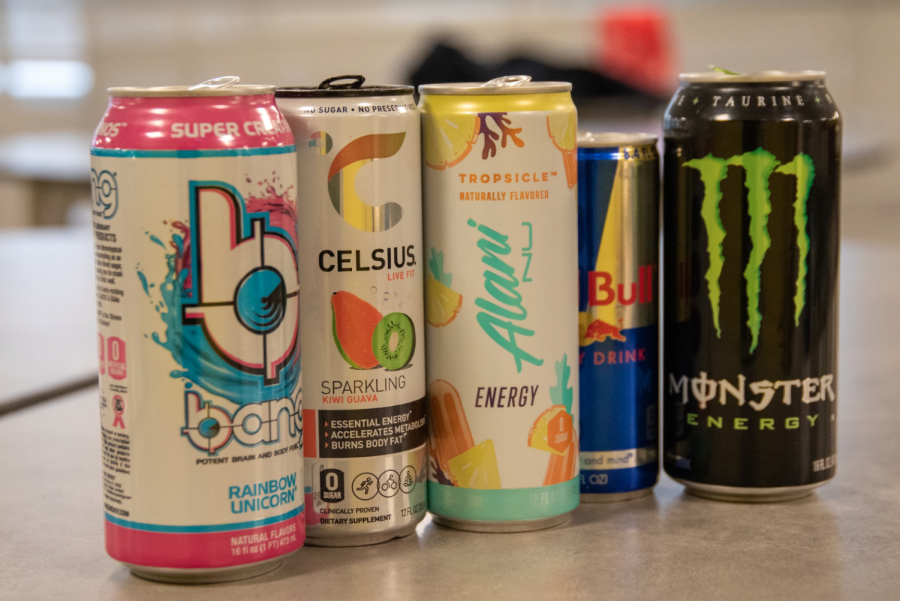











Three steps into the building and I already see five different energy drinks. This leaves me wondering, have energy drinks become part of school culture?
School Nutrition writes, “30%–50% of adolescents are reported to consume energy drinks.”These drinks have large amounts of caffeine in them, typically between 70 and 300 mg. The recommended maximum caffeine intake for an adult per day is 400 mg. Just one of these drinks can almost put an adult at the maximum for the day. However, teens, between the ages of 12-18, are advised to consume no more than 100 mg. The reason for that being teen brains are still developing, and they are more sensitive to any type of chemical, including caffeine.
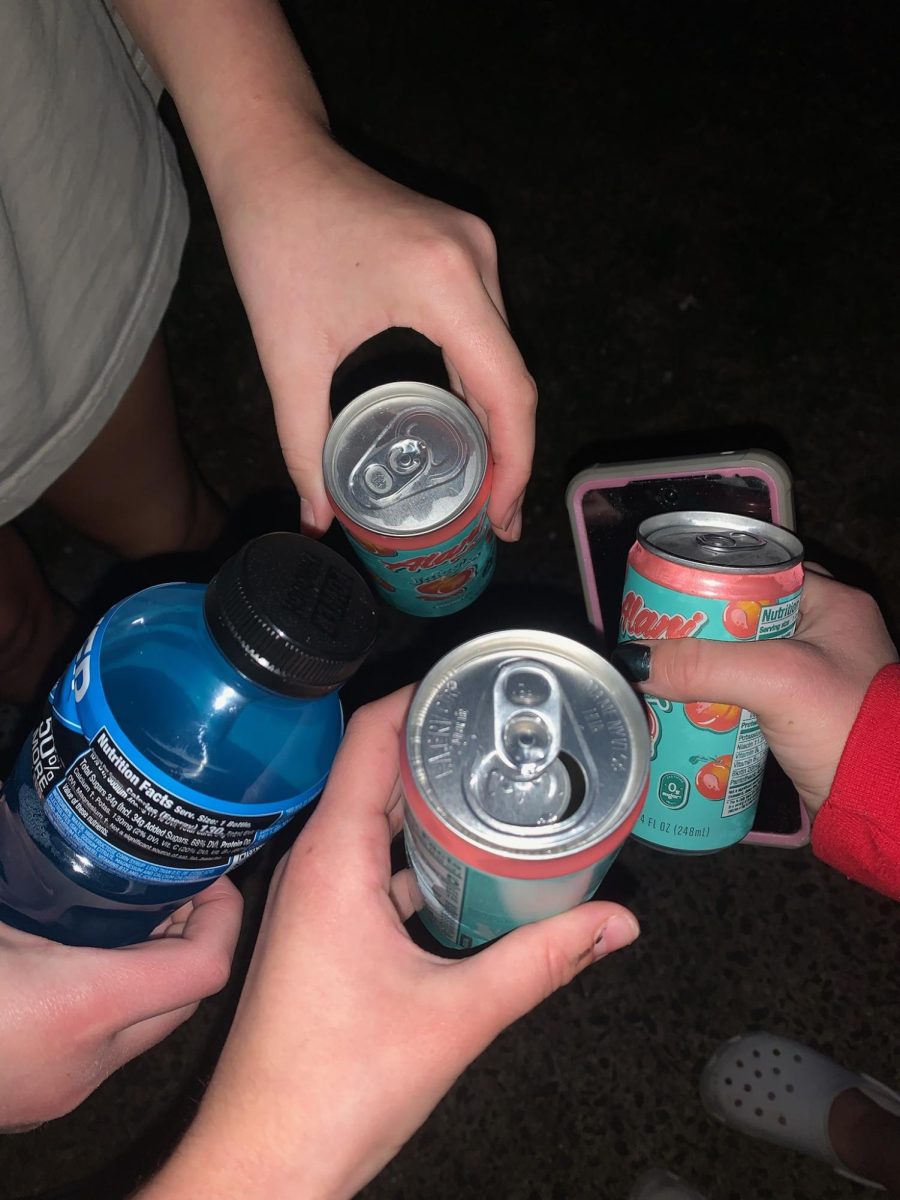
Although these facts can be easily found, schools still sell kids energy drinks. In Gateway’s cafeteria, Alanis are sold for two dollars and seventy-five cents, but only to high school students. In a full-size Alani can, there are 200 mg of caffeine, meaning just one of these cans will put any student over the caffeine intake limit. But, it makes sense that students want these kinds of drinks, because teenagers don’t get enough sleep. School starts at 7:30 in the morning, and professionals say that teens need more sleep from when they are young kids.
According to Johns Hopkins pediatrician…”teens need 9 to 9 1⁄2 hours of sleep per night…Teenagers are going through a second developmental stage of cognitive maturation…Additional sleep supports their developing brain, as well as physical growth spurts…”
Teenagers need more sleep than when they were in elementary school, yet are getting up earlier, so it makes sense that they would need something to help get them through the day. It also would make sense for the school to capitalize on that demand.
Harmony Mardre, a Junior at Gateway, says, “I definitely drink them to get that energy throughout the day especially with balancing theater, cheer, madrigals, and school. Do I recommend having them everyday or even two a day? No, but it gets what I need done! ”
But it isn’t just students who feel like they need them. One teacher at Gateway mentioned, “Sadly, I feel like I would not be able to function without caffeine. On most days, I will drink about 24- 30 ounces of iced coffee (I go through a 48 oz bottle about every two days). On days I know I really need to keep my energy, concentration, and enthusiasm up, I will also pack a Red Bull (or two) in addition to my coffee. Caffeine not only provides the energy I need to teach an engaging lesson, but it helps my brain feel more “normal”…There is a fine line between just the right amount to keep me focused and too much which can actually cause me to become more tired.”
Both teachers and students are required to keep up their energy throughout their long day. So caffeine, whether it be in the form of coffee or energy drinks, is in high demand among teachers and students. But this doesn’t apply to just Gateway.
NBC News reported that a high school student from Texas died due to complications from consuming too many energy drinks. Her parents and lawyer state, “it had inadequate warnings about the serious cardiac risks that this product brings,” when referring to Alani cans.
The NBC article also noted, “First, she got into it because of social media and other social interaction with young people”
This obviously begs the question of whether or not energy drink brands are trying to cater to a younger demographic.
Teenagers often like to jump onto trends and try ‘viral’ foods and drinks. One Gateway student commented, “When I go on TikTok, I always see, get ready with me’s, and they always crack open an Alani can.”
Another stated, “From what I’ve seen on social media, energy drinks seem like more of a trend instead of drink now.”
These energy drink brands market to a younger audience because of their love for viral things, and the need to be awake in school. However, it should also be noted that many companies are also trying to seem like they are the healthier option.
Along with viral things, the younger generations love healthier options. Right as Rain says,”While energy drinks used to be marketed in neon colors and packed with sugar, a new generation of beverages is now on the shelves of grocery stores and gas stations purporting to be “natural” and “healthy”…Energy drinks have gotten a glow up…This new generation of energy drinks is trying to change its image and appeal to health-conscious people.”
The healthier image is to try and attract new customers. Someone weary of energy drinks could see a bloom and think to themselves that it is healthier just because of the way it is being marketed.
One dietitian’s review comments, “Bloom energy drinks contain a mix of various ingredients that claim to boost your energy levels naturally, boost your metabolism, and support your mental focus and mood…While there is some research to support some of the ingredients used, most of the amounts aren’t disclosed so it’s impossible to tell if there’s actually enough of any of these ingredients to make a difference in your health. ”
Energy drinks that claim to be a healthier alternative are all the same. They want to appear better for you, so they make claims about boosting not only energy but also your focus. But, the high amounts of caffeine won’t always keep kids focused. Sometimes it has the opposite effect. If I have too much caffeine, I can’t sit still, and I already struggle with that. So a lot of the time, it just isn’t worth drinking energy drinks just because they put “healthy” on the can.
So yes, energy drinks have become part of school culture. This has happened through viral videos promoting them, a demand for energy to get through the day, and marketing towards school-age children. But it doesn’t matter why you started consuming caffeine, just as long as you are doing it safely.