














































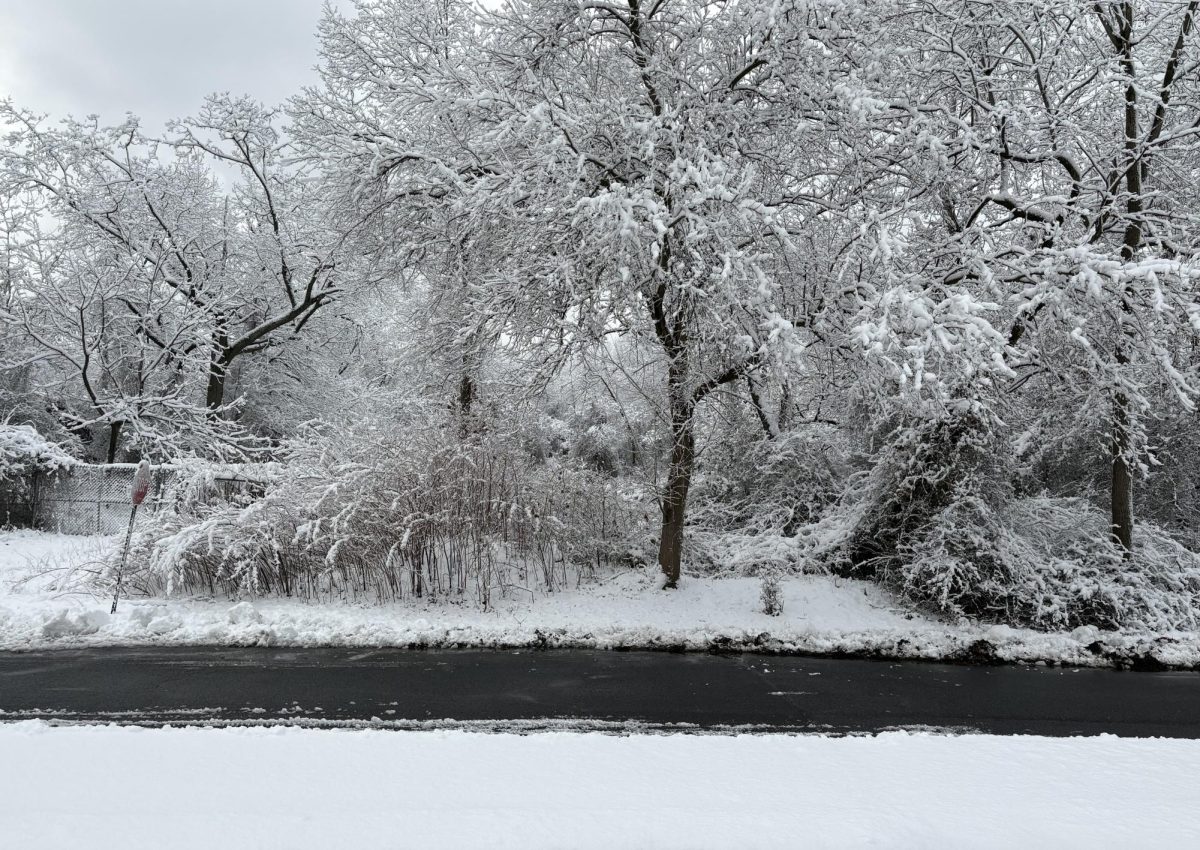
As we come back from winter break, it’s easy to be stuck in the hump of not wanting to get anything done. Coming back to school from a 12-day learning break is hard for most, and as winter continues to go on, it’s easy to get burnt out. Here are five tips that will help you not get totally burnt out.
Allow breaks: This may seem like a given, but in the midst of school, sports, clubs, and whatever else you may have going on, sometimes it’s difficult to remember to take a moment to relax. Self-care and relaxation go beyond simple hot baths and face masks; it can even just be watching your favorite TV show and letting your mind and body wind down.
Don’t procrastinate: While previously stated was ‘allow breaks’ – that’s different from procrastination as a whole. In the moment, pushing work off to the last day may seem like a good idea, but the more you do it, the more you get trapped in a cycle of stress and cramming before deadlines, which is bound to cause burnout. Pacing your work allows you to complete it at a good time, still have time for yourself (hence the allow breaks!), and not have the stress of cramming work in.
Try to get good sleep: In high school, a night of good rest is like finding a unicorn. But sleep is crucial to your mental well-being. If you’re constantly staying up completing work, just to wake up at 5-6 the next morning, constantly on go-go-go, your body and mind are going to burn out and want rest. However, in high-school this isn’t always a feasible goal, as many students have sports, clubs, plays/musicals, or other responsibilities to attend to that make it seem impossible to do their work at any time other than 10 pm.
Even if you aren’t sleeping as much as you should, you should be sleeping at roughly the same time every day. Consistency in sleep is important, as psychiatry.org put it, “Aim for 7–9 hours of rest per night to ensure proper recovery. Consistency of your sleep hours/bedtime is found to be just as important for our health, as the total number of hours. For example, if you are only going to get six hours each night, let it be the same 6 hours.”
Try to spend time with friends/family: As simple as it may seem, spending time with those you love helps relieve stress and get your mind away from constantly working. Health UCDavis put it best, “Psychologists and physiologists have studied laughter. They’ve seen positive effects on mood and physical health as a result of laughter. It decreases anxiety and depressive symptoms and lowers your perceived level of stress.”
Talk: Talk with friends and peers about stress, because if it’s school or work-related, many people will also relate. Confiding in them may help you realize you are not alone in the stress of high school or the stress of being a teenager. You could also learn what they do to help themselves when they are feeling burned out, and try implementing them in your life.