





















Fiber arts, such as crocheting and knitting, are often stereotyped as a hobby only grandmas would do. However, fiber arts does not deserve this reputation, as it is both a relaxing way to pass the time and has measurable benefits too. But first, to see the benefits of fiber arts, a couple of misconceptions must be cleared up.
Misconception 1: Fiber art is just knitting and crocheting
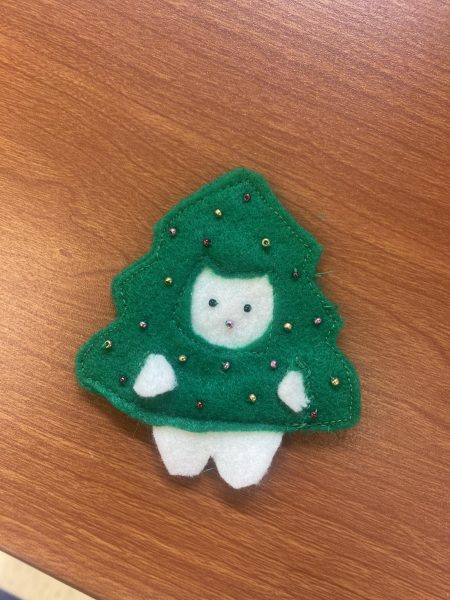
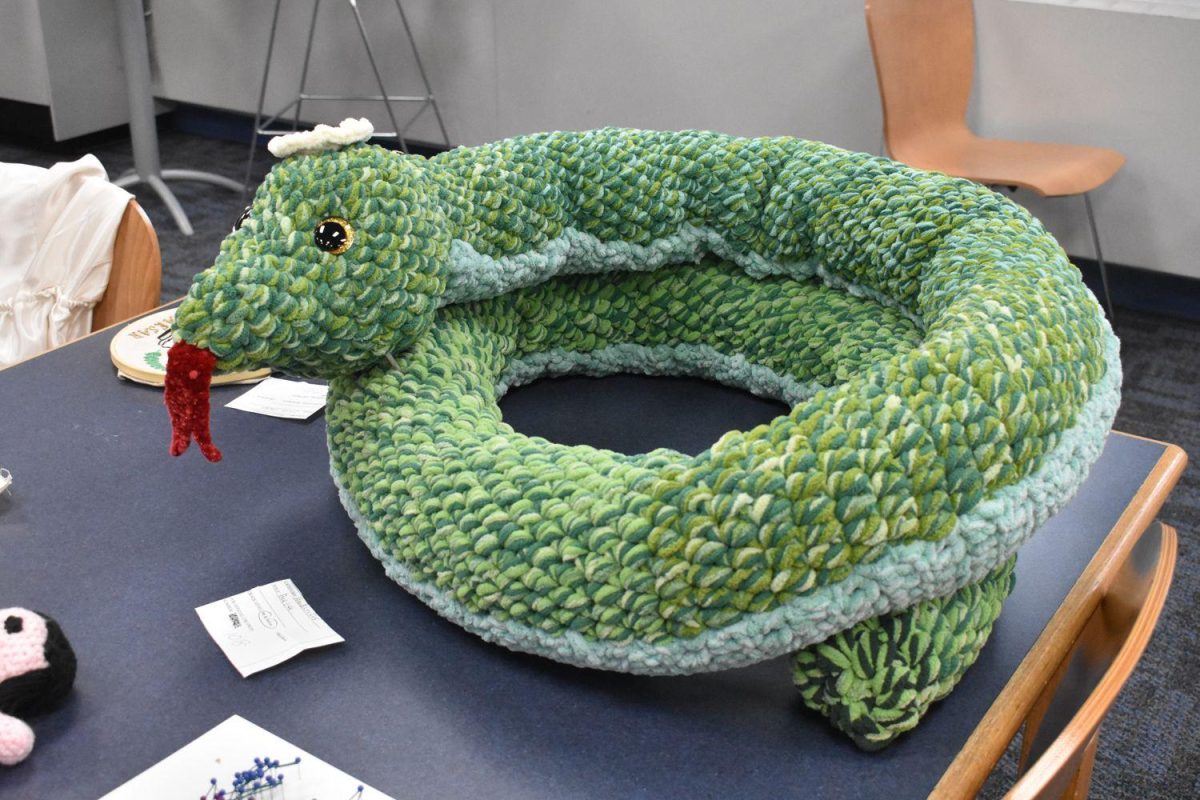
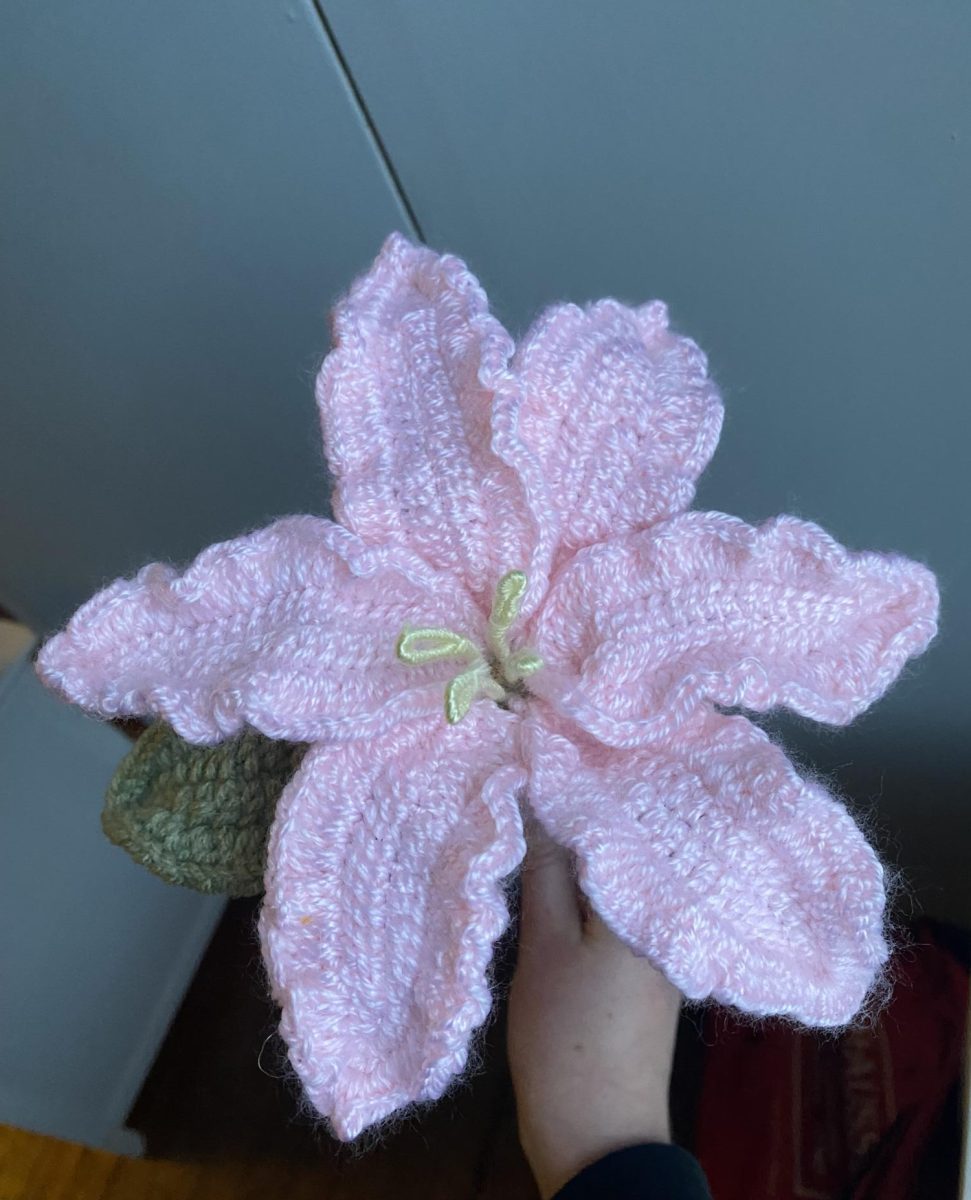
Fiber art is way more than knitting and crocheting. While those are both big parts, fiber arts includes all art created with natural or synthetic fibers. This includes sewing, embroidery, weaving, and needle felting. Some fiber art may look similar to knitting and crocheting, but is still counted as different because of the techniques.
Each fiber art technique opens a world of possibilities as to what can be achieved.
Misconception 2: Crocheting and knitting are the same
While to the untrained eye, crocheting and knitting may appear the same, they are completely different. They may produce similar results, but the actual technique is different.
Crochet, at the most basic level, uses one hook and pre-wound yarn to create one stitch at a time. Knitting uses two needles and pre-wound yarn to work on several stitches at the same time. Simply put, if you see someone working with yarn with two straight, longer “sticks” they are probably knitting. If you see someone working with yarn with one “stick” with a hook on it, they are crocheting.
Crocheting and knitting also use different amounts of yarn and time. However, those are very dependent on the project and the skill level of the person making it.
One fun fact about crochet is that it really can not be mass-produced by machines. This is because even the most basic stitches use many precise motions in several axes. On the other hand, machines can easily produce knitted items, making them a lot more common on the market.
Misconception 3: Only old people crochet and knit
Most people, when they think of the fiber arts, probably think of a dying art, done mostly by grandmas. There is some truth to this idea; the demographics of people in the fiber arts community are skewed older. However, many young people have also picked it up. Overall, the difference is probably overstated, though it’s difficult to find any large studies to support or disprove this. Especially during COVID-19, many younger people picked up some form of fiber arts as a hobby, mainly because it’s easy to learn online and is a solo activity.
What is arguably more accurate about this statement is that many of the fiber arts are a dying craft. For every popular subsection of fiber arts, there is one that is increasingly rare. After all, fiber arts encompass all of sewing, needlework, embroidery, and feltwork. Each of those is an umbrella with countless fully developed and independent crafts beneath it. Additionally, there are smaller cultural practices that were never well-known outside of their area of origin.
Benefits of fiber arts
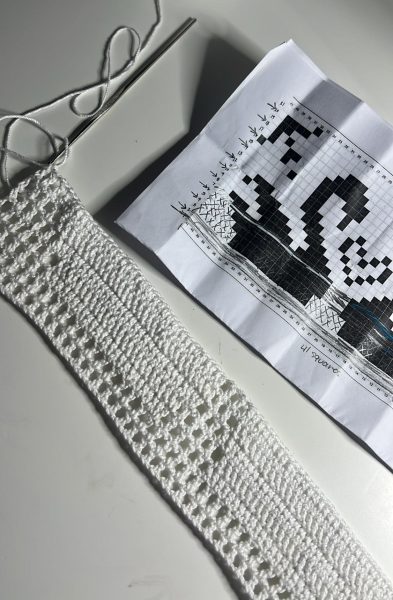
Now that the common misconceptions about the fiber arts are cleared up, why should people learn and engage in the fiber arts? The simple answer is that the fiber arts are a great creative outlet and can create nice-looking (and often functional) items.
Fiber arts are an excellent way to develop your creative side in a different aspect than you may be used to. Opposed to drawing or painting, the fiber arts are very tactile and often 3rd. This change engages problem-solving and creative thinking. Specifically, finishing a project can give a sense of accomplishment and pride in one’s abilities.
Overall, fiber arts have also been shown to improve people’s mental health by reducing depression and anxiety. One study found that people with depression felt significantly happier after knitting; this can mainly be attributed to the repetitive motion of knitting, which is linked to serotonin release. This repetitive motion also helps relieve anxiety, as it is a calming activity that both engages the hands and keeps the mind focused.
The fiber arts are a great avenue to calm down and focus on a specific productive task.
Additionally, the fiber arts can be fairly accessible for beginners. For crocheting and knitting, the most basic tools can be bought online for around 15 dollars. Of course, this isn’t particularly high quality, and inevitably, you’ll spend more to invest in higher quality materials and more yarn. But if you just want to test it out, those aren’t necessary and the entry point is pretty low.
There is definitely a learning curve to beginning crocheting or knitting, but with enough time and work it can come very easily. While I did take crocheting classes, it’s definitely possible to learn online. There are many resources tailored to every learner at all levels. In fact, as I’ve improved my crocheting skills beyond the basics, I’ve relied mostly on the internet to learn.
Overall, I would strongly encourage everyone to try out the fiber arts. They are fun, productive, interesting, and also have measurable benefits. There is a wide range of techniques to try out, so you could hone it to your specific interest, skill level, or time commitment.