









































Towards the end of my sophomore year, nearing the beginning of my junior year, most of my then-junior friends shared with me their woes of junior year, wishing me luck for the bumpy ride ahead. I went into my junior year expecting to be stressed out of my mind, just waiting for senior year to come. Now that I’m halfway through my junior year experience, I can ask you, is junior year really that bad?
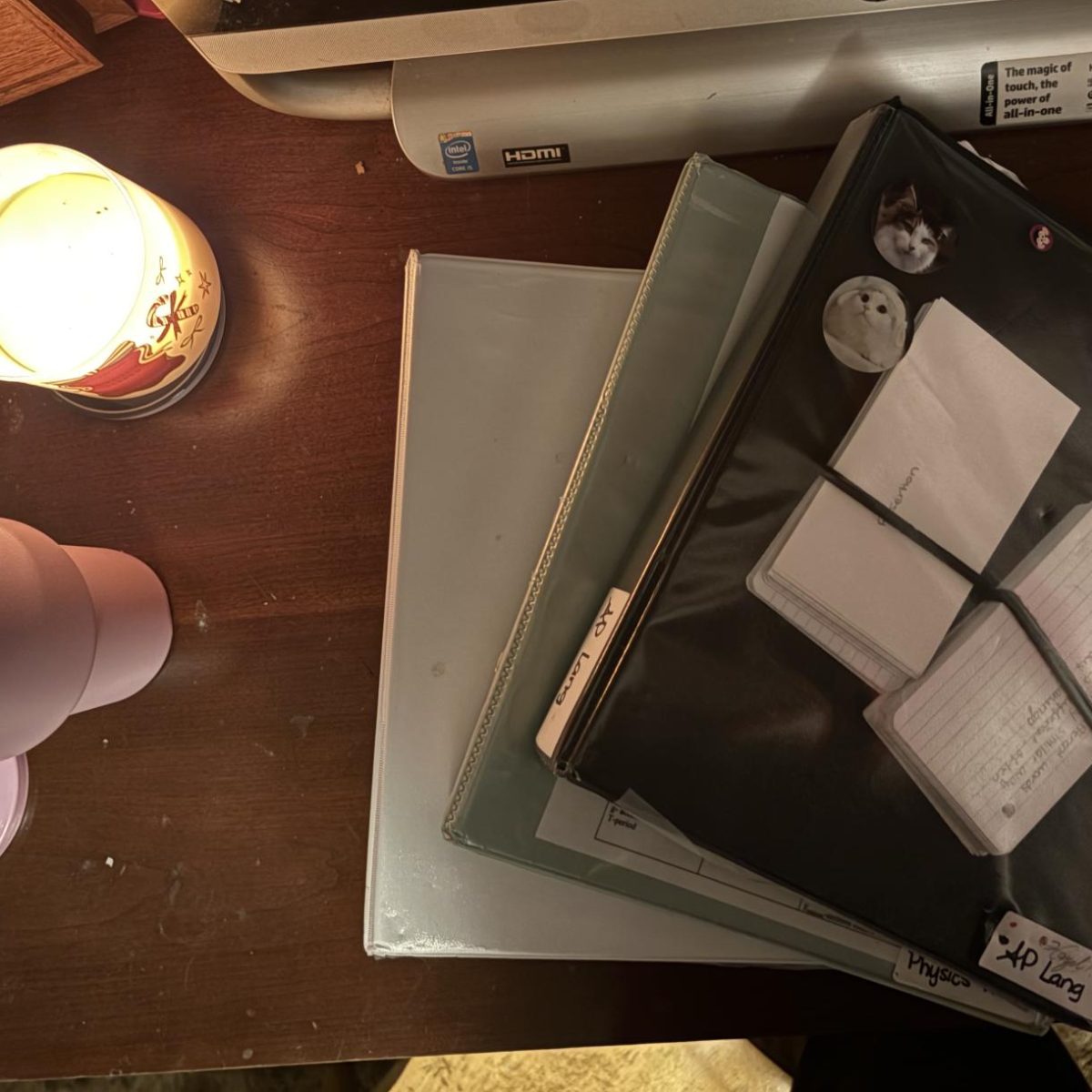
This year, I’m taking three APs: AP Language and Composition, taught by Ms. Desmond; AP United States History II, taught by Ms. Kane; and AP Psychology, taught by Mr. Widener. I’m also taking honors courses alongside those, specifically French III-Honors, Human Anatomy & Physiology Honors, Pre-Calculus Honors, and Physics Honors, so anyone taking more or less AP/honors classes may differ on how I feel. This year, I’m managing editor of The CHOMP, running their Instagram, participating in Key Club, Book Club, & Young Feminists Club, and am also a part of Student Council and NHS.
Diving Into Junior Year
Going into this year, I was definitely nervous, but I can tell you now, it’s not as bad (personally) as many make it out to be. I’m not going to say I’m not stressed, because that’s not true, but it’s manageable. The worst part of Junior year actually isn’t the workload or the extracurriculars, it’s when you hit this point in the year and realize you’re about to be a senior. When you have to choose your classes for your senior year, it feels like you were just in 9th Grade English Honors, picking classes for sophomore year, wondering why Seniors get all the good classes. It’s the feeling of nostalgia and the stress you get realizing all you have to do in the next couple months, from choosing teachers to write your recommendation letters to choosing what colleges you’re going to apply to. It is a lot, but it’s manageable, and it could be far worse.
This time last year, my then-junior friends were saying this was the worst year of their life, many of them just making this face “😬” when I’d ask them, “How’s junior year going?” But it’s not that bad. As you go through high school, going from an 8th grader to a freshman, then to a sophomore, and so on, you learn skills. You learn how to manage your time, you learn how to efficiently study, you learn your limits, and learning all of that collectively helps you manage your time as a junior.
Growth As A Student And Person
Junior year is the time where you adjust from being an underclassman to an upperclassmen, where many of your classes are being used to help you figure out what you want to do in your future, where grades seem more serious and important, where people treat you less like a child and more like a young adult, and it can certainly be overwhelming at times. You have to take the thought of college, majors, and future careers more seriously. Instead of just ideas, it feels more like you have to have at least a picture of what you want to do – you’re going to be applying to colleges soon. But as stressful as that all may seem, you also have better friendships, a better sense of who you are, and more skills to help you get through all of these obstacles and stressors. So while it may seem scary, the idea of junior year is far scarier than the reality of junior year.
Now that I’ve chosen my classes for Senior Year, going through the “should I, should I not” debate regarding G2C (Gateway to Careers), my focus has shifted onto the looming AP season coming up in May, which is a separate stress. On top of that, I still have my honors courses and have to figure out some of the tasks of junior year, like my college list, recommendation letters, etc.
Different parts of your junior year have different focuses. The beginning is adjusting to being an upperclassmen and managing your classes ahead, the middle turning point is where things shift to prepping for your senior year, applications, and AP season if you take AP classes.
Junior year, as previously said, comes in levels, and the levels and focuses come with their own set of stressors and tasks to do. And with this stress comes the skills you’ve learned from your previous years in high school. So, my advice to managing the stress, while as cliché and repetitive as it seems, is to not procrastinate. To me, procrastination, while always beneficial in the moment, ends up resulting in a load of more stress than I would have originally if I had just done the assignment, studying, task, in the first place.
The Good
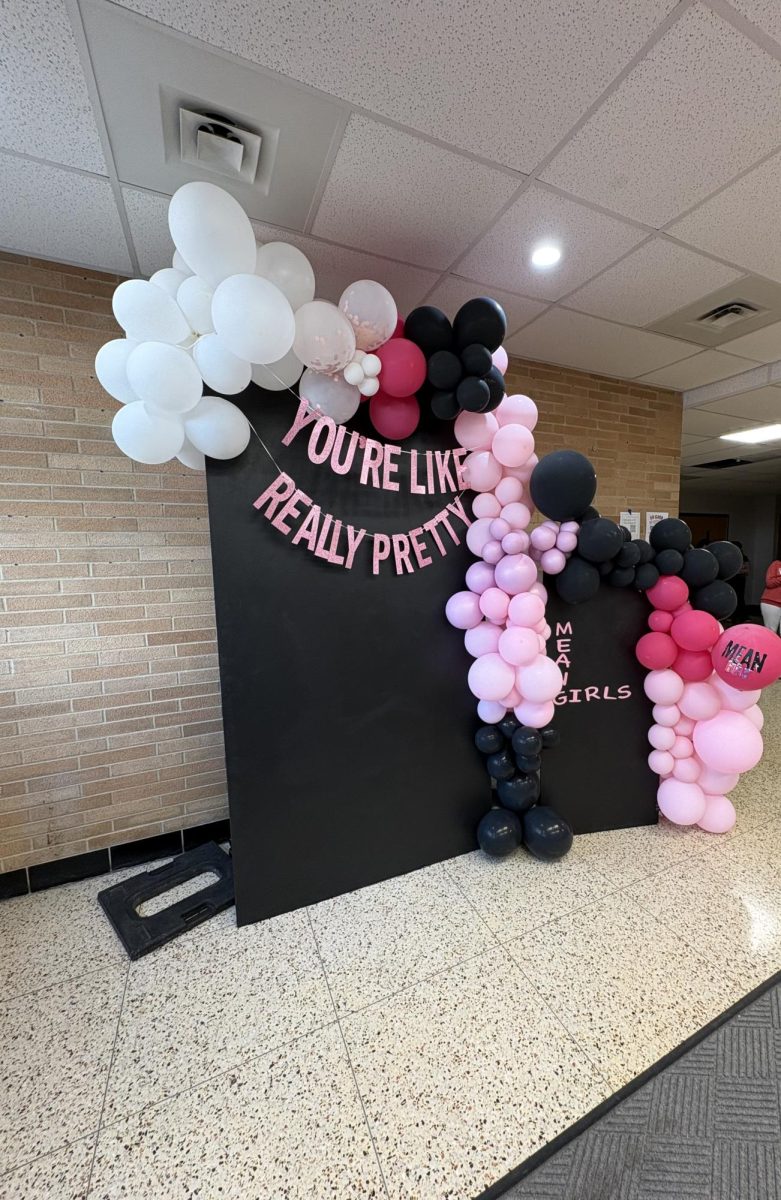
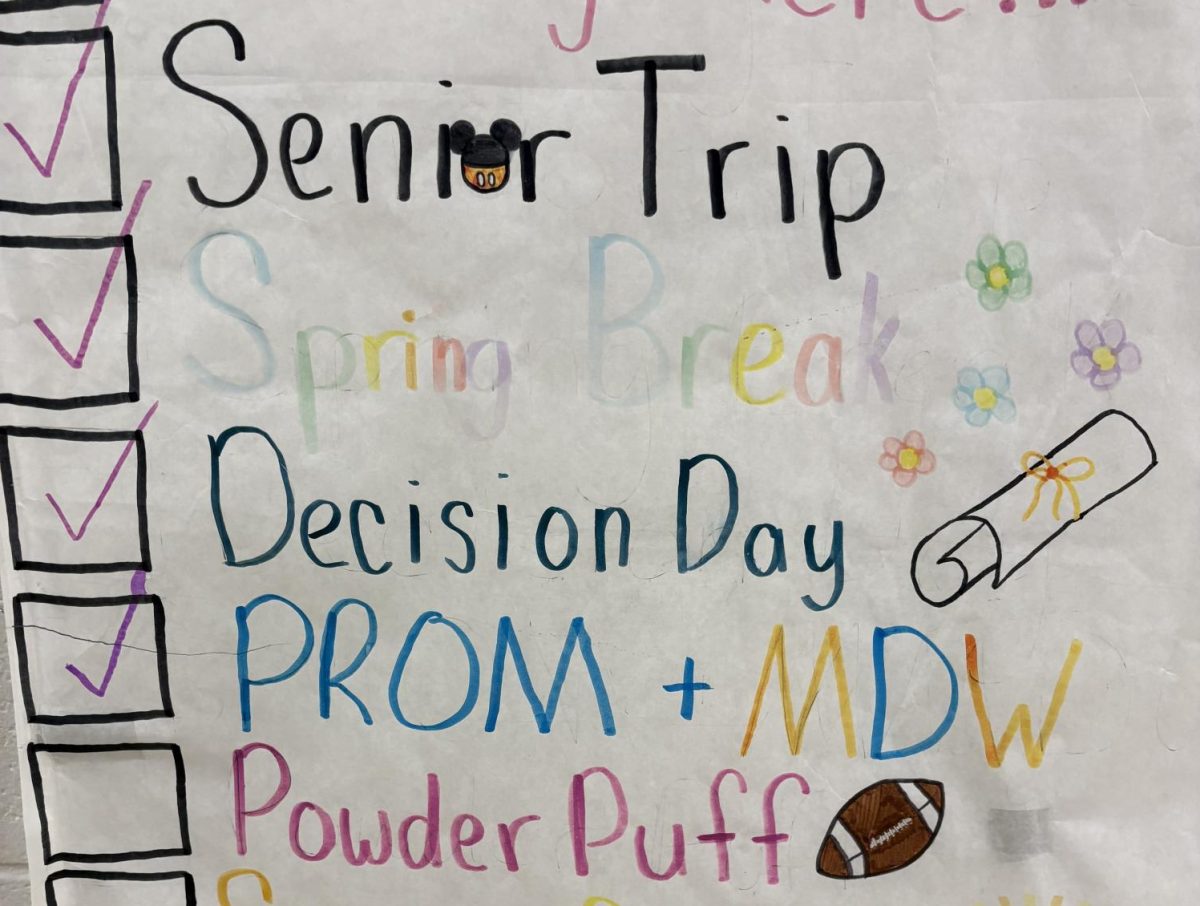
Junior year, apart from academics, is also full of events. You have junior homecoming, the excitement of planning for your senior year, getting your license (for some, not me, I’m an August baby), junior prom, and being apart of the class that plans prom, and for some people, college visits. This year had Gator Day, and many get into NHS if they didn’t their sophomore year. So, while there are things you may be fearful about for your upcoming junior year, there are so many things to look forward to as well.
Gateway also offers so many opportunities for juniors who want to make the most out of their academic career, so the world isn’t completely just on your shoulders. Another piece of advice that also helps you make the most out of your junior year is meet with your guidance counselor regularly and set goals for yourself; a good way to continuously move forward is to have a goal set in mind. It could be small, like getting Renaissance, or big like taking an AP exam and getting above a 3/4, as long as you want it.
Overall
All in all, junior year is hard, yes, but it’s manageable. You learn new things not only in school, but also about yourself as well, and who you are as an emerging young adult. There’s shifts in the dynamic that you’re used to, but it’s like going through a maze: there’s obstacles, but you’re able to overcome them, and there’s an end goal. Good luck to next year’s juniors!